
Discover Corsica’s remarkable prehistoric site, where ancient standing stones and mysterious monuments reveal over 8,000 years of island history
Set amongst ancient olive trees and peaceful countryside in southern Corsica, the Filitosa Archaeological Site is one of the Mediterranean’s most important prehistoric landmarks. Famous for its mysterious carved standing stones, known as statue-menhirs, Filitosa offers visitors a fascinating glimpse into Corsica’s distant past. Dating back thousands of years, the site combines archaeology, history and beautiful natural surroundings to create one of the island’s most unique attractions.
Unlike Corsica’s beaches or mountain landscapes, Filitosa tells the story of the island’s earliest inhabitants. As you wander along shaded paths between ancient monuments and archaeological remains, you’ll discover evidence of a civilisation that flourished long before the arrival of the Romans or Genoese. For history enthusiasts and curious travellers alike, Filitosa is an unforgettable journey into Corsica’s ancient heritage.

At a Glance
Location: Near Sollacaro, South Corsica
Best For: History lovers, families, archaeology and culture
Facilities: Visitor centre, parking, café and walking paths
Highlights: Prehistoric standing stones, ancient monuments and peaceful countryside setting
Why Visit Filitosa?
Filitosa is recognised as one of Europe’s most significant prehistoric sites. First excavated during the twentieth century, archaeologists uncovered an extraordinary collection of carved granite statues, ceremonial monuments and ancient structures dating back more than 8,000 years.
The site’s most famous features are the remarkable statue-menhirs. Carved with human faces, weapons and distinctive facial features, these mysterious stone figures continue to intrigue historians today. Although much about their purpose remains unknown, they offer a rare and fascinating insight into the beliefs and lives of Corsica’s earliest communities.
Surrounded by olive groves and overlooking the Taravo Valley, Filitosa is also a wonderfully peaceful place to explore. The combination of history and natural beauty makes it one of Corsica’s most rewarding cultural attractions.
Highlights
The Famous Statue-Menhirs
The carved granite statue-menhirs are the highlight of every visit. Standing proudly amongst the ancient landscape, these unique monuments are unlike anything else found in Corsica.
Many display carved faces, swords and armour, suggesting they may have represented important figures or warriors. Their craftsmanship continues to fascinate archaeologists and visitors from around the world.
Ancient Stone Monuments
Beyond the famous statues, Filitosa contains the remains of circular stone structures, defensive walls and ceremonial monuments built by prehistoric communities thousands of years ago.
Walking through the site provides a remarkable opportunity to imagine life on Corsica long before written history began.
Beautiful Natural Setting
Filitosa’s location is every bit as impressive as its archaeology. Shaded by ancient olive trees and surrounded by rolling countryside, the site offers a peaceful atmosphere that encourages visitors to explore at a relaxed pace.
The well-maintained walking paths make it easy to enjoy both the archaeological remains and the beautiful surrounding landscape.
A Fascinating Family Day Out
Filitosa offers something for visitors of all ages. Adults can appreciate the historical importance of the site, while children often enjoy discovering the mysterious stone figures and exploring the ancient pathways.
Interpretation boards throughout the site help bring Corsica’s prehistoric past to life without overwhelming visitors with information.
Perfect For
Filitosa Archaeological Site is ideal for:
- History enthusiasts
- Families looking for an educational day out
- Archaeology lovers
- Photographers
- Visitors interested in Corsican culture and heritage
Top Tips
Visit During the Morning
Temperatures are cooler earlier in the day, making it more comfortable to explore the open archaeological site.
Allow Plenty of Time
Although not especially large, Filitosa rewards visitors who take their time to appreciate the monuments, scenery and interpretation panels.
Wear Comfortable Footwear
The walking paths are generally easy, but comfortable shoes make exploring the site much more enjoyable.
Combine with Nearby Attractions
Filitosa is perfectly placed to combine with a visit to Propriano, Cupabia Beach or the traditional villages of southern Corsica.
Best Time to Visit
Filitosa is open for much of the year and is particularly enjoyable during spring and autumn when temperatures are pleasant and visitor numbers are lower.
Summer remains a popular time to visit, especially during the morning or later afternoon when the light is perfect for photography and the site is a little cooler.
How to Get There
Filitosa is located near the village of Sollacaro in South Corsica, approximately a 30-minute drive from Propriano and around one hour from Ajaccio.
The attraction is well signposted, with parking available on site and easy access from the island’s main road network.
Nearby Places to Explore
After visiting Filitosa, there are several excellent destinations nearby.
Propriano offers a lively marina, beaches and waterfront restaurants, making it an ideal place to stop for lunch.
Cupabia Beach provides one of Corsica’s most beautiful stretches of golden sand, while Campomoro combines a picturesque village with an impressive Genoese tower overlooking the Mediterranean.
Visitors can also explore the traditional Corsican villages scattered throughout the surrounding countryside, each offering a glimpse into the island’s rich cultural heritage.
Stay Nearby
Filitosa Archaeological Site is easily reached from campsites across South Corsica, making it an excellent day trip for visitors wishing to discover one of the Mediterranean’s most remarkable prehistoric sites while exploring the island’s fascinating history.
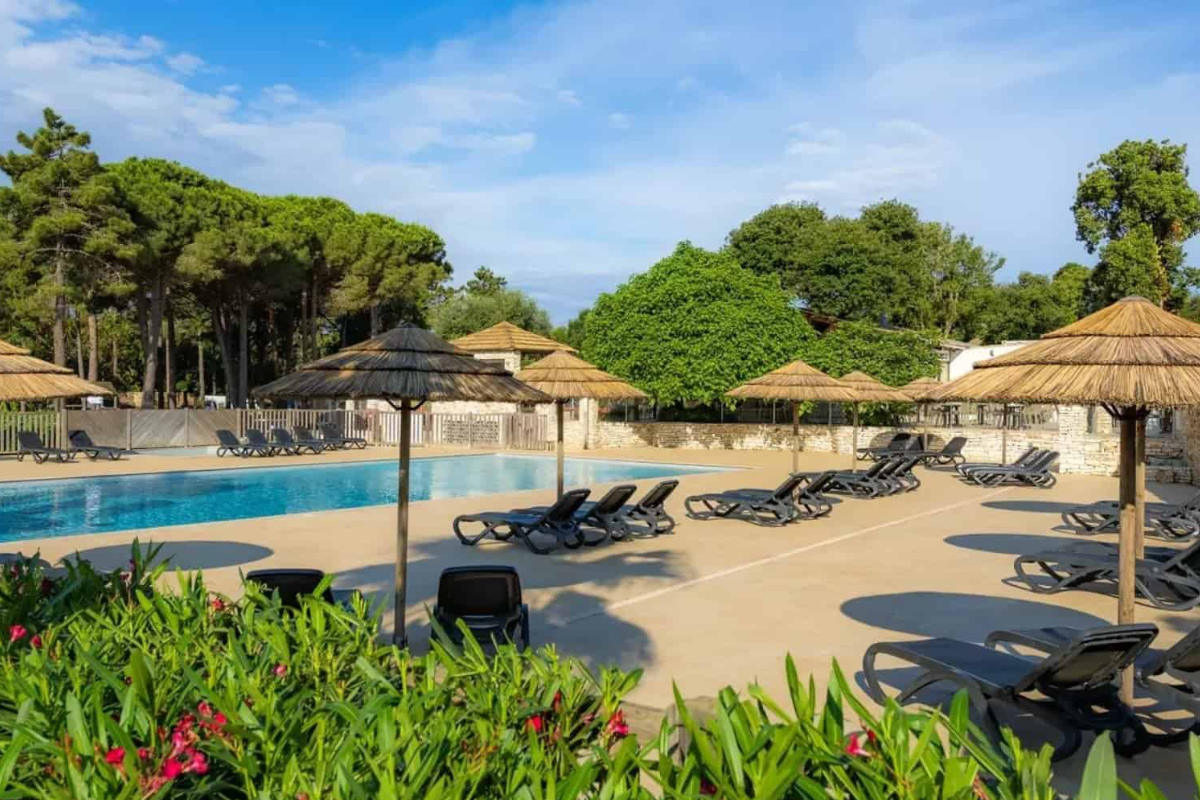
Campo di Liccia
Bonifacio, South Corsica
Hillside campsite near Bonifacio with family pools, kids' club and easy access to many southern Corsica beaches.
View campsite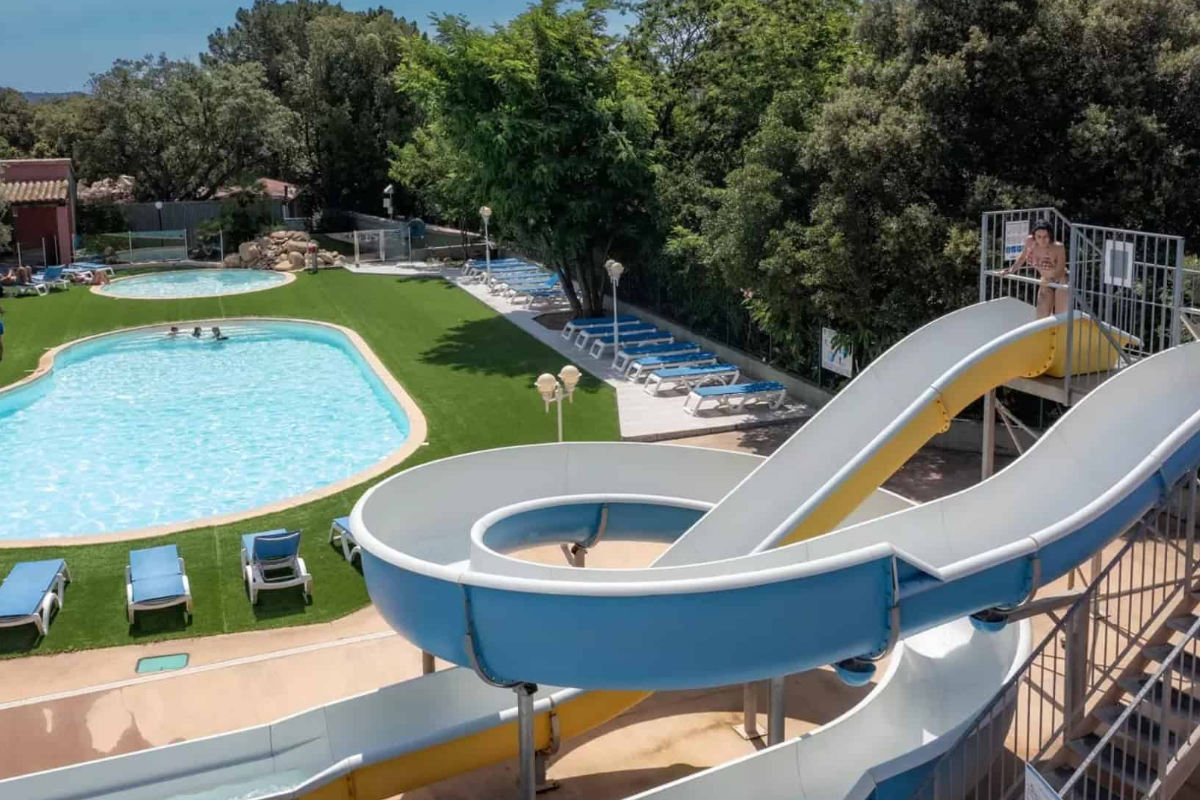
Acqua e Sole
Sainte-Lucie de Porto-Vecchio, South Corsica
Small family campsite near Porto‑Vecchio with waterslides, kids' club, restaurant and easy access to beaches and mountains.
View campsite